

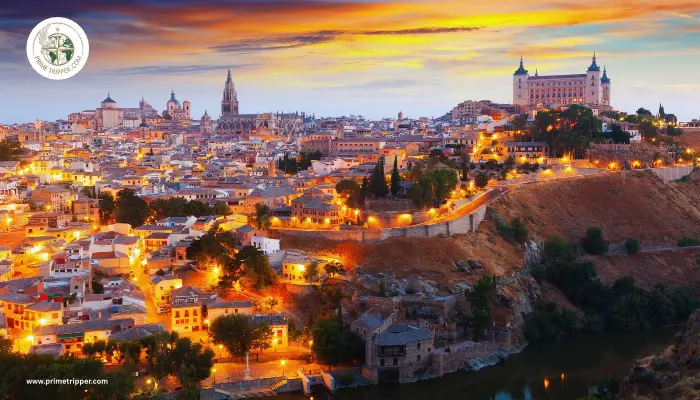

There is something different about arriving in Jaisalmer.
As the road moves deeper into Rajasthan, the landscape gradually changes. Green fields become less common, the horizon stretches wider, and the colour of the land begins to shift toward shades of sand and gold. Then, rising above the desert landscape, the massive walls of Jaisalmer Fort appear.
For a moment, it feels almost unreal.
This is Jaisalmer, often called the Golden City of India.
Located close to India’s western border, Jaisalmer has grown from a historic desert settlement into one of Rajasthan’s most fascinating travel destinations. Its yellow sandstone buildings glow warmly in the sunlight, while its narrow lanes, ancient havelis, temples and markets preserve the character of a city shaped by centuries of desert trade.
But Jaisalmer is not only about its famous fort or camel safaris.
It is a city of stories.
Stories of merchants who crossed the Thar Desert, rulers who built an extraordinary fortress, families who created beautifully carved havelis and travellers who still come here to experience the quiet beauty of the desert.
Where Is Jaisalmer?
Jaisalmer is located in the western part of Rajasthan, close to the India-Pakistan international border.
The city lies in the heart of the Thar Desert, one of the most distinctive landscapes in India. Its location once made it an important stop on trade routes connecting India with regions farther west.
Today, that same location gives Jaisalmer its unique character.
Unlike many Indian cities surrounded by dense vegetation or large rivers, Jaisalmer is defined by open desert, golden sand, rocky terrain and a dry climate.
The landscape may look harsh at first, but it has supported communities, traders and travellers for centuries.
Why Is Jaisalmer Called the Golden City?
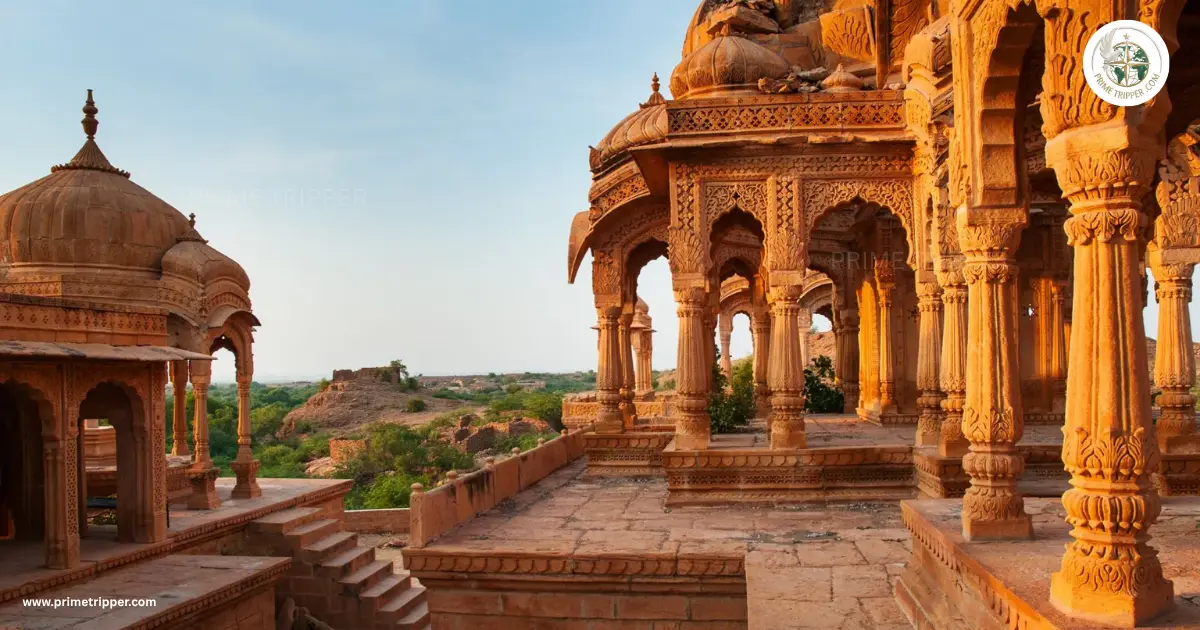
The nickname “Golden City” comes from the distinctive yellow sandstone used throughout much of historic Jaisalmer.
The stone changes appearance depending on the light.
Under the strong afternoon sun, buildings can look bright and golden. Near sunset, the same walls may take on a deeper orange or honey-coloured appearance.
Jaisalmer Fort is perhaps the best example of this effect.
From a distance, the fort appears to rise naturally from the desert because its sandstone walls share almost the same colour as the surrounding landscape.
This visual connection between the city and the desert is one of the reasons Jaisalmer feels so different from other destinations in Rajasthan.
The History of Jaisalmer
Jaisalmer was founded in 1156 CE by Maharawal Jaisal, a Rajput ruler of the Bhati dynasty.
The location was strategically important.
Jaisalmer stood along historic trade routes that crossed the desert and connected merchants travelling between India, Central Asia and other regions to the west.
Before modern highways and railways transformed transportation, desert trade was dependent on caravans.
Camels were essential to these journeys because they could travel long distances with limited water.
As trade increased, Jaisalmer became prosperous.
Merchants built impressive homes, temples and commercial establishments. Many of the historic buildings that visitors admire today are connected to this period of wealth.
The city therefore developed a distinctive combination of Rajput military architecture and wealthy merchant craftsmanship.
Jaisalmer Fort: The Heart of the Golden City
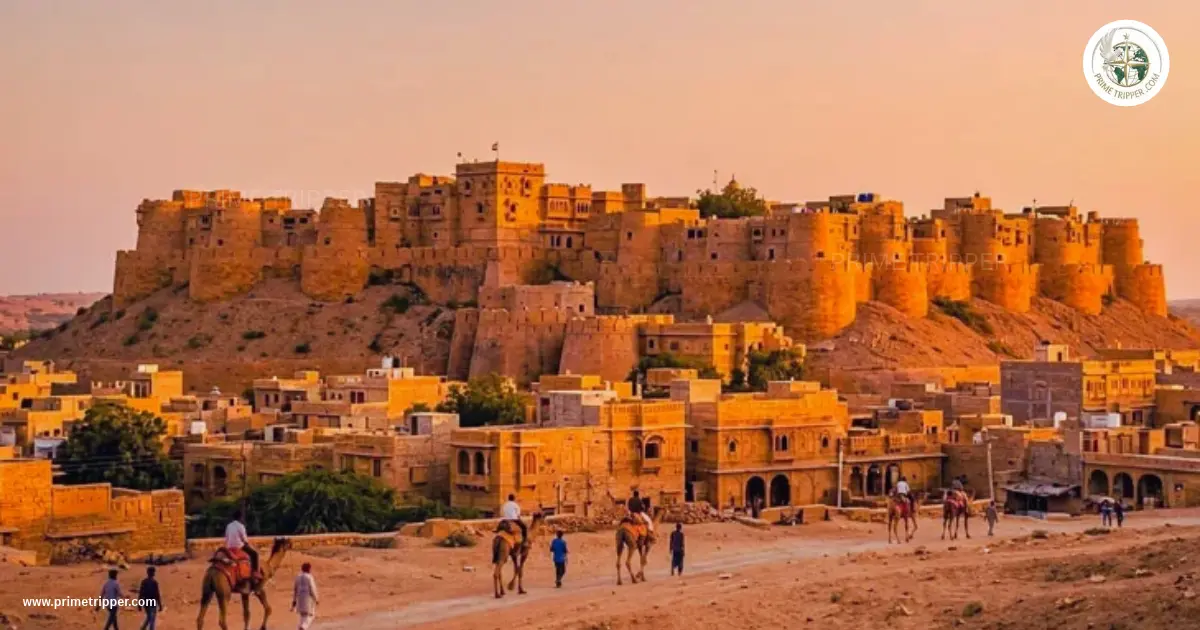
No visit to Jaisalmer feels complete without exploring Jaisalmer Fort.
Known locally as Sonar Quila, the fort is one of the most remarkable living forts in India.
Unlike many forts that are primarily historical monuments, Jaisalmer Fort continues to contain homes, shops, temples, restaurants and other establishments.
People still live within its historic walls.
The fort stands on Trikuta Hill and dominates the surrounding city.
Its massive sandstone walls, towers and gateways were designed not only for defence but also to demonstrate the strength of the ruling dynasty.
Walking through the fort today is an experience in itself.
The broad entranceways gradually give way to narrow lanes. Small shops display handicrafts, textiles and jewellery, while old buildings reveal beautifully carved balconies and windows.
Every turn offers another glimpse of the city’s architectural heritage.
The Architecture Inside Jaisalmer Fort
One of the most interesting things about Jaisalmer Fort is that its beauty is not limited to the outer walls.
Inside, visitors can find temples, palaces, old residences and intricately decorated buildings.
Jain temples are particularly notable for their detailed stone carvings.
The craftsmanship demonstrates how skilled local artisans were able to transform relatively simple sandstone into elaborate architectural details.
Pillars, arches, balconies and decorative screens are often covered with fine patterns.
For photographers and architecture enthusiasts, the fort provides an endless collection of details to discover.
Patwon Ki Haveli
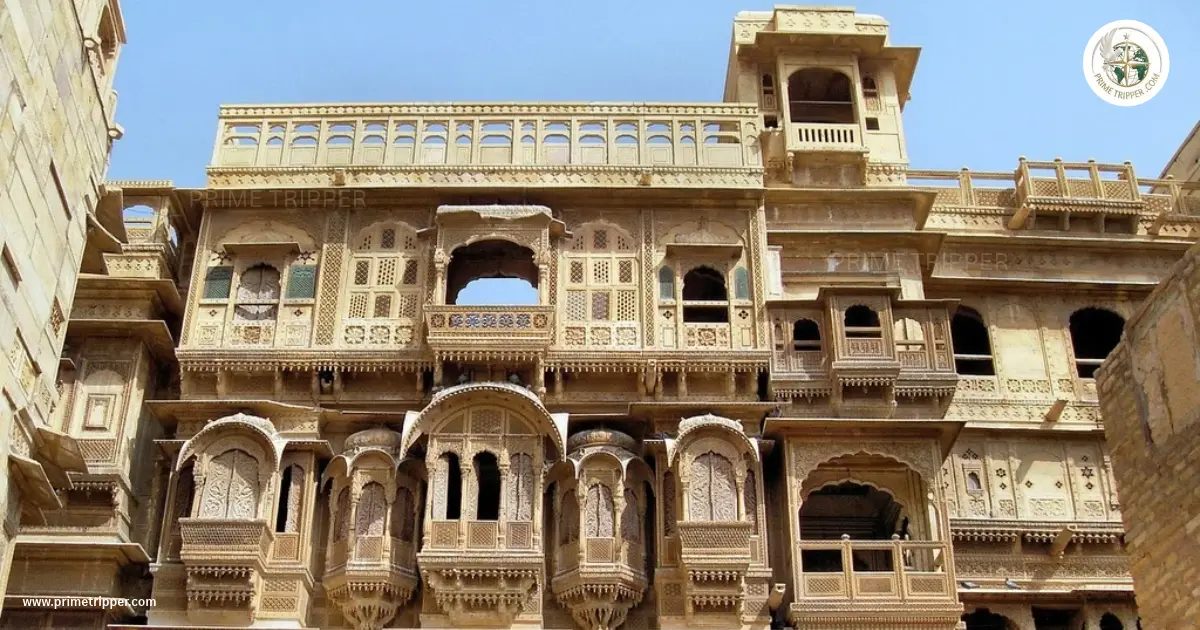
Jaisalmer’s historic havelis are another major attraction.
Among them, Patwon Ki Haveli is one of the most famous.
The complex consists of several interconnected havelis and is known for its elaborate sandstone façade.
The building reflects the wealth of Jaisalmer’s merchant families.
In the past, successful traders often built large residences that served both as homes and symbols of their social position.
The detailed balconies, windows and decorative elements show the importance placed on craftsmanship.
Walking past Patwon Ki Haveli, it is easy to understand why Jaisalmer became famous for its architecture.
Salim Singh Ki Haveli
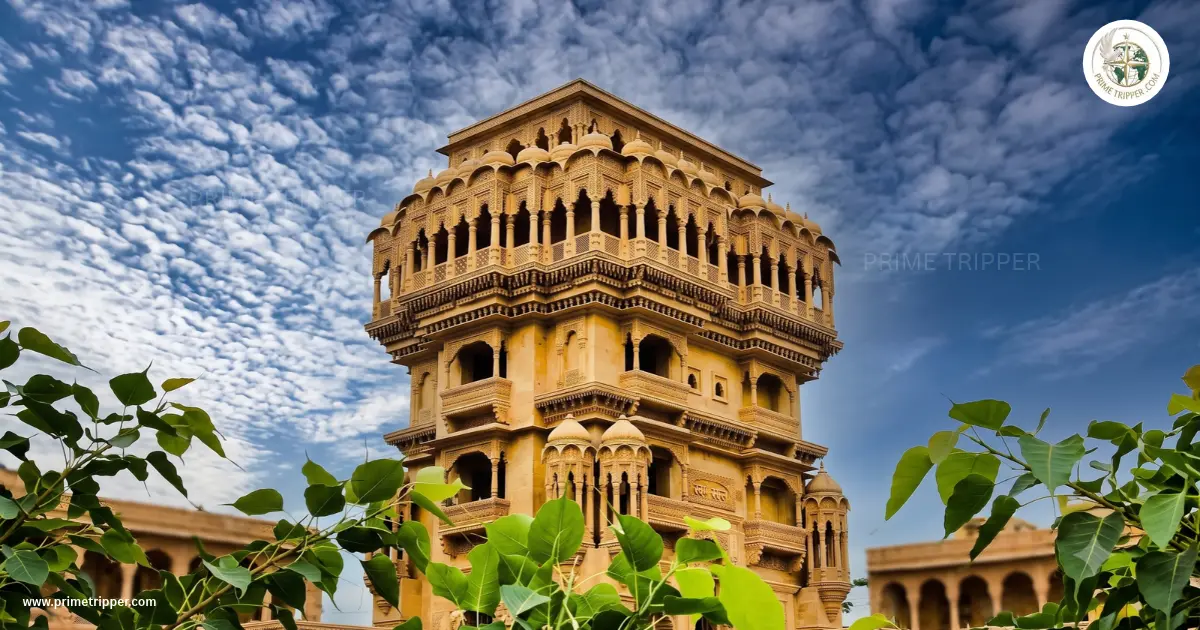
Another distinctive building is Salim Singh Ki Haveli.
Its upper floors are particularly unusual, with projecting balconies and a design that makes the building stand out among the surrounding structures.
Like many historic buildings in Jaisalmer, the haveli reflects a period when architecture was not merely functional.
Buildings were designed to communicate wealth, status and artistic taste.
Today, these havelis provide an important glimpse into the lifestyle of wealthy merchant families who once played a significant role in the city’s economy.
Nathmal Ki Haveli
Nathmal Ki Haveli is another architectural highlight of Jaisalmer.
Its construction is associated with the late nineteenth century and it is known for its detailed craftsmanship.
The haveli is particularly interesting because of the fine stonework covering its exterior.
Traditional floral patterns, animals and other decorative designs appear throughout the building.
The craftsmanship demonstrates the level of detail that could be achieved using sandstone.
Gadisar Lake
After exploring the fort and old city, Gadisar Lake offers a completely different atmosphere.
The historic lake was developed as a water reservoir and played an important role in supporting life in the desert city.
Today, the lake is surrounded by temples, shrines, gateways and historic structures.
Early morning can be a peaceful time to visit.
The light is softer, the temperature is more comfortable and the reflections of the surrounding architecture create an attractive scene across the water.
During winter, the area can also attract migratory birds.
The Thar Desert Experience
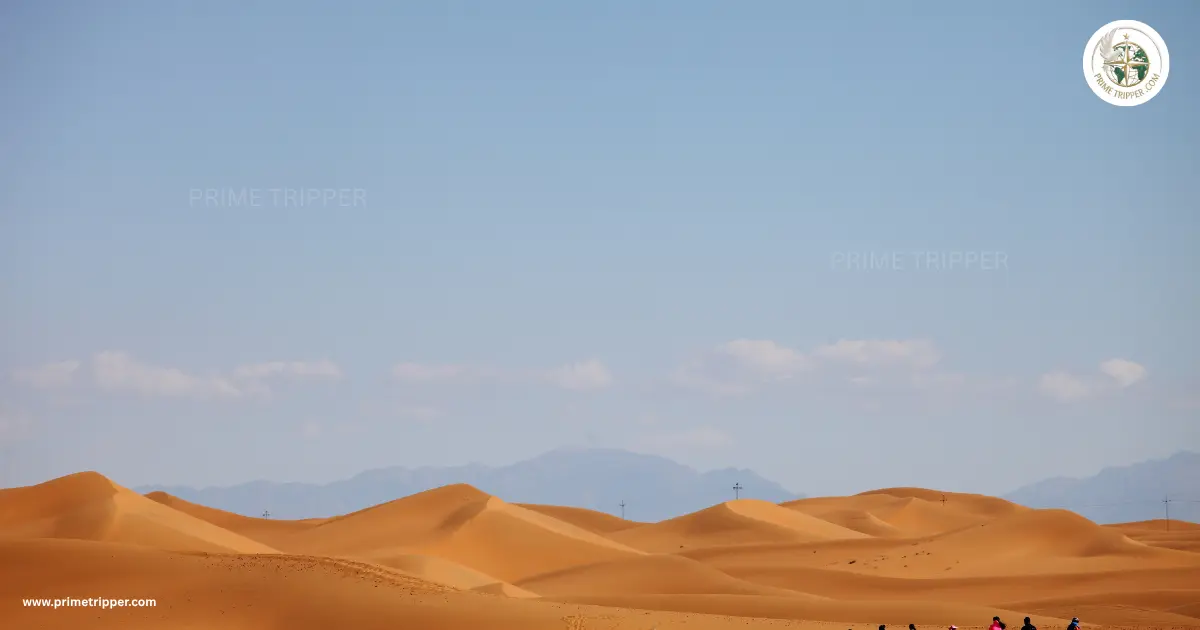
Jaisalmer’s greatest attraction for many travellers lies outside the city.
The Thar Desert begins to dominate the landscape as you travel toward the surrounding dunes.
For visitors, a desert experience can include camel rides, jeep safaris, cultural performances, traditional food and overnight stays in desert camps.
The most popular desert areas are around Sam Sand Dunes and nearby locations.
A sunset over the dunes can be particularly memorable.
As the sun drops toward the horizon, the colour of the sand changes gradually.
The desert becomes quieter.
The temperature falls.
For a few minutes, the vast landscape seems almost endless.
Camel Safari in Jaisalmer
Camel safaris have become one of the signature experiences of Jaisalmer.
Riding through the desert on a camel allows travellers to experience the landscape at a slower pace.
Instead of rushing from one attraction to another, you move gradually across the dunes and open desert.
Short camel rides are commonly available around the dune areas, while longer experiences can include sunset rides and village visits.
Travellers should choose operators that treat animals properly and follow responsible tourism practices.
The experience should be enjoyable for both visitors and the animals involved.
Jaisalmer Desert Camp Experience
Staying overnight in a desert camp offers another way to experience the Thar.
Many camps arrange evening cultural programmes featuring Rajasthani folk music and dance.
Traditional meals are often served as part of the experience.
After the performances finish and the lights around the camp become quieter, the desert takes on a completely different character.
The night sky can be remarkably clear when weather conditions are favourable.
For travellers accustomed to city lights, spending an evening in such an open landscape can be a memorable part of a Jaisalmer trip.
Click here to view the Jaisalmer Tour Package
Kuldhara Village
Around Jaisalmer, several historic sites are associated with stories and legends.
Kuldhara is perhaps the best known.
The abandoned village has become famous for stories about its sudden desertion.
According to popular local legend, the Paliwal Brahmins who lived in Kuldhara and surrounding villages left the area overnight after facing pressure from a powerful official.
Some versions of the story add supernatural elements and claim that the village was cursed.
The historical details are more complicated than the popular legend suggests.
Nevertheless, walking through the abandoned settlement provides an interesting glimpse into the region’s past.
Its empty streets and ruined buildings create an atmosphere very different from the busy centre of Jaisalmer.
Bada Bagh
Bada Bagh is another important historical site near Jaisalmer.
The site contains a collection of royal cenotaphs built in memory of members of the former ruling family.
The sandstone structures stand against the desert landscape and are particularly striking around sunrise and sunset.
The site is also valued for its architectural details.
The combination of carved stone monuments and the open desert creates a setting that feels both peaceful and dramatic.
Desert Culture and Rajasthani Traditions
Jaisalmer’s appeal is not limited to architecture.
The city is also a gateway to the culture of western Rajasthan.
Traditional music has a particularly strong presence in the region.
Musicians and performers have preserved folk traditions through generations, with instruments such as the kamayacha, dholak and algoza appearing in performances.
Visitors may encounter folk music at cultural programmes, desert camps and local events.
Traditional clothing is equally colourful.
Bright fabrics, embroidered garments, turbans and jewellery stand out strongly against the muted colours of the desert.
This contrast is one of the visual characteristics of Rajasthan.
What Food Should You Try in Jaisalmer?
A trip to Jaisalmer is also an opportunity to explore Rajasthani food.
Some dishes worth trying include:
- Dal Baati Churma
- Gatte Ki Sabzi
- Ker Sangri
- Bajre Ki Roti
- Panchmel Dal
- Pyaz Ki Kachori
- Mirchi Vada
- Ghewar
- Makhaniya Lassi
Traditional Rajasthani cuisine developed around the region’s climate and availability of ingredients.
Many dishes use ingredients that can be stored for longer periods and spices that add flavour without requiring large quantities of fresh produce.
For visitors, eating local food is one of the easiest ways to experience another side of the region.
Best Time to Visit Jaisalmer
The winter months are generally the most comfortable period for visiting Jaisalmer.
October to March is particularly popular because daytime temperatures are more suitable for sightseeing and desert activities.
December and January can become quite cold at night, especially in desert areas.
Summer is considerably hotter, with daytime temperatures becoming uncomfortable for many outdoor activities.
The monsoon does not bring the same heavy rainfall to Jaisalmer that many other parts of India experience, but weather conditions can still vary.
For a desert trip, winter remains a practical choice because visitors can comfortably explore the city during the day and enjoy outdoor experiences in the evening.
How Many Days Are Enough for Jaisalmer?
A 2 to 3-day Jaisalmer trip can cover most of the major attractions.
A simple itinerary could look like this:
- Day 1: Explore Jaisalmer City
Start with Jaisalmer Fort and explore its temples, lanes and viewpoints.
Later, visit Patwon Ki Haveli, Nathmal Ki Haveli and Salim Singh Ki Haveli.
End the day around Gadisar Lake.
- Day 2: Explore the Desert
Travel toward Sam Sand Dunes or another desert area.
Enjoy a camel safari or jeep safari and watch the sunset from the dunes.
Stay overnight at a desert camp if you want to experience the cultural programme and desert night.
- Day 3: Explore Nearby Attractions
Visit Bada Bagh and Kuldhara before returning to the city.
Depending on your departure time, you can also explore local markets and purchase handicrafts.
Travellers with more time can slow down the itinerary and explore smaller villages and lesser-known locations.
Shopping in Jaisalmer
Jaisalmer’s markets are ideal for travellers interested in traditional Rajasthani handicrafts.
Popular items include:
- Embroidered textiles
- Leather products
- Mirror-work decorations
- Traditional jewellery
- Handicrafts
- Rajasthani puppets
- Decorative sandstone items
- Traditional clothing
The markets around the old city and fort area are particularly popular with visitors.
However, bargaining is common in many local markets, so it is useful to compare prices before making a purchase.
How to Reach Jaisalmer
Jaisalmer is connected to major cities in Rajasthan and other parts of India by road, rail and air.
- By Air
Jaisalmer Airport operates seasonally and connectivity can vary depending on the time of year.
Travellers should check current flight schedules before planning their journey.
- By Train
Jaisalmer railway station connects the city with several important destinations.
Rail travel can be a convenient option for travellers coming from cities such as Jodhpur, Jaipur and Delhi, depending on the current timetable.
- By Road
Road travel is another popular way to reach Jaisalmer.
The city is connected by highways with Jodhpur and other parts of Rajasthan.
Travelling by road also gives visitors the opportunity to experience how dramatically the landscape changes as they move deeper into the Thar Desert.
Is Jaisalmer Suitable for a Family Trip?
Yes, Jaisalmer can work well for a family holiday.
The fort, havelis, lake and cultural attractions offer activities suitable for different age groups.
Families can also enjoy desert camps and cultural programmes.
However, summer temperatures can be difficult for young children and older travellers.
A winter visit is generally more comfortable for sightseeing and outdoor activities.
Families should also choose desert activities carefully and make sure accommodation has suitable facilities for children.
Is Jaisalmer Good for a Couple’s Trip?
Jaisalmer can also be a memorable destination for couples.
Sunset over the dunes, a desert camp under the night sky, quiet walks through the old city and views from the fort create plenty of opportunities for a relaxed trip.
Couples who prefer a slower holiday can combine sightseeing with a comfortable desert stay rather than trying to visit every attraction in a short period.
Responsible Tourism in the Thar Desert
Tourism has created important opportunities for local communities, but desert environments are fragile.
Visitors can help by avoiding single-use plastic, not leaving waste in the dunes, respecting local communities and choosing responsible accommodation providers.
It is also important not to damage historic structures or remove stones and other objects from archaeological sites.
The desert may appear endless, but its natural and cultural resources are limited.
Responsible travel helps ensure that future visitors can experience the same landscape.
Click here to view the Jaisalmer Tour Package
Why Jaisalmer Should Be on Your Rajasthan Travel List
Jaisalmer brings together several experiences that are rarely found in one destination.
You can explore a medieval fort in the morning, admire merchant havelis in the afternoon and watch the sunset over desert dunes in the evening.
But the real attraction is the relationship between the city and its surroundings.
The architecture reflects the wealth created by desert trade.
The fort reflects centuries of political history.
The havelis reflect the ambitions of merchant families.
The desert reflects the environment that shaped everyday life.
And the music, food and traditions reveal the cultural identity of western Rajasthan.
That combination gives Jaisalmer its character.
Conclusion
Jaisalmer is not a destination that can be understood through photographs alone.
The pictures of golden forts and desert sunsets are beautiful, but they only show one part of the city.
To really appreciate Jaisalmer, you have to walk through its narrow lanes, look closely at the carvings on its old havelis, listen to Rajasthani folk music and spend time watching the desert change colour as the sun moves across the sky.
The city carries the memory of traders, rulers, artisans and desert communities.
Its fort tells stories of the past, its havelis reveal the prosperity of merchant families, and its dunes continue to offer travellers a glimpse of the vast Thar landscape.
Jaisalmer is golden by appearance, but its real richness lies in its history, culture and connection with the desert.
That is what makes the Golden City worth experiencing.
Frequently Asked Questions About Jaisalmer
Q1. Why is Jaisalmer called the Golden City?
Ans: Jaisalmer is known as the Golden City because many of its historic buildings and monuments are constructed from yellow sandstone. The stone takes on a golden appearance, particularly in sunlight.
Q2. What is Jaisalmer famous for?
Ans: Jaisalmer is famous for Jaisalmer Fort, historic havelis, the Thar Desert, camel safaris, desert camps, Rajasthani culture and its distinctive yellow sandstone architecture.
Q3. How many days are enough for Jaisalmer?
Ans: Two to three days are generally enough to experience the major attractions, including Jaisalmer Fort, the historic havelis, Gadisar Lake and the Thar Desert.
Q4. What is the best month to visit Jaisalmer?
Ans: The cooler months from October to March are generally the most comfortable for sightseeing and desert activities. December and January can be cold at night.
Q5. Is Jaisalmer Fort still inhabited?
Ans: Yes. Jaisalmer Fort is a living fort, with residents, shops, temples and other establishments located within its historic walls.
Q6. What can you do in the Jaisalmer desert?
Ans: Visitors can enjoy camel rides, jeep safaris, sunset views, cultural performances, traditional Rajasthani food and overnight stays at desert camps.
Q7. Is Jaisalmer good for a weekend trip?
Ans: Yes. A well-planned two- or three-day itinerary can cover the major attractions and include a desert experience.
Q8. What food is Jaisalmer famous for?
Ans: Visitors can try traditional Rajasthani dishes such as dal baati churma, gatte ki sabzi, ker sangri, bajre ki roti, pyaz ki kachori and mirchi vada.
Q9. Is Jaisalmer safe for tourists?
Ans: Jaisalmer is a well-established tourism destination. As with any trip, travellers should take normal precautions, particularly when travelling in remote desert areas and during outdoor activities.
Q10. What makes Jaisalmer different from other Rajasthan destinations?
Ans: Jaisalmer combines a historic fortified city with the landscape of the Thar Desert. Its golden sandstone architecture, desert culture and proximity to the dunes give it a distinct character.
Ream More: Top 10 Best Weekend Trips from Delhi

0 Comment